
Ngā Mokopuna recognised in NZIA 2025 Ted McCoy Award for Education
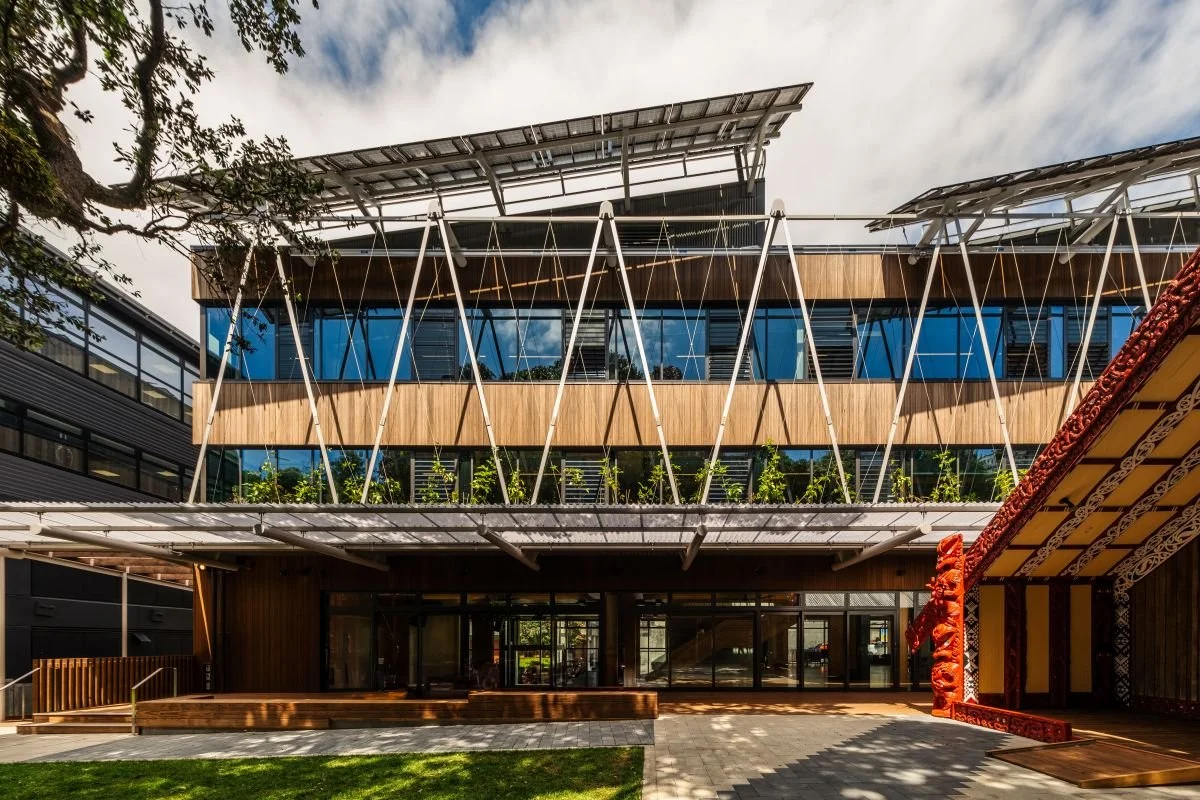
Living Pā, Ngā Mokopuna
Congratulations to Tennent Brown Architects, recipients of the 2025 Ted McCoy Award for Education from Te Kāhui Whaihanga New Zealand Institute of Architects.
Named after Dunedin architect Ted McCoy, known for his buildings that balance clarity, comfort and longevity, the award honours projects that lift the standard of learning environments in Aotearoa.
We were proud to contribute to Ngā Mokopuna alongside the wider project team, supporting the building’s energy and operational performance so it delivers on its sustainability aims day to day.
A building that sets a new benchmark
The project brings together architecture, engineering and sustainability in a way that shows what is possible when teams commit to low-carbon, people-centred design. As part of the wider delivery team, Revolve supported the building’s energy and performance objectives, helping ensure the operational side reflects the same care and ambition seen in the architecture.
The NZIA jury citation captures the heart of the project:
"Ngā Mokopuna is an exemplar for the education sector and a response to the Living Building Challenge. The project demonstrates that sustainable design and great architectural outcomes are possible and can enhance the experience and wellbeing of the everyday users and the urban experience passersby on the Te Herenga Waka Victoria University of Wellington campus. The timber structure is carefully articulated, with the architects working in conjunction with the structural engineer, demonstrating that elegant outcomes are possible with developing timber technology. The atrium adds warmth and light to the predominantly timber interior, and the skewed stair adds a dynamic quality while solving planning issues with ease. Ngā Mokopuna sets the benchmark for others to follow."
Why this project matters
Ngā Mokopuna shows how sustainable design can be woven into the everyday life of a campus building. The timber structure, daylighting, spatial clarity and the project’s response to the Living Building Challenge demonstrate that low-carbon design doesn’t need to be a trade-off. It can elevate comfort, experience and long-term resilience.
For Revolve, it has been a privilege to contribute to a project that aligns so strongly with our purpose.